


Embedded Firmware Built for Devices in the Field
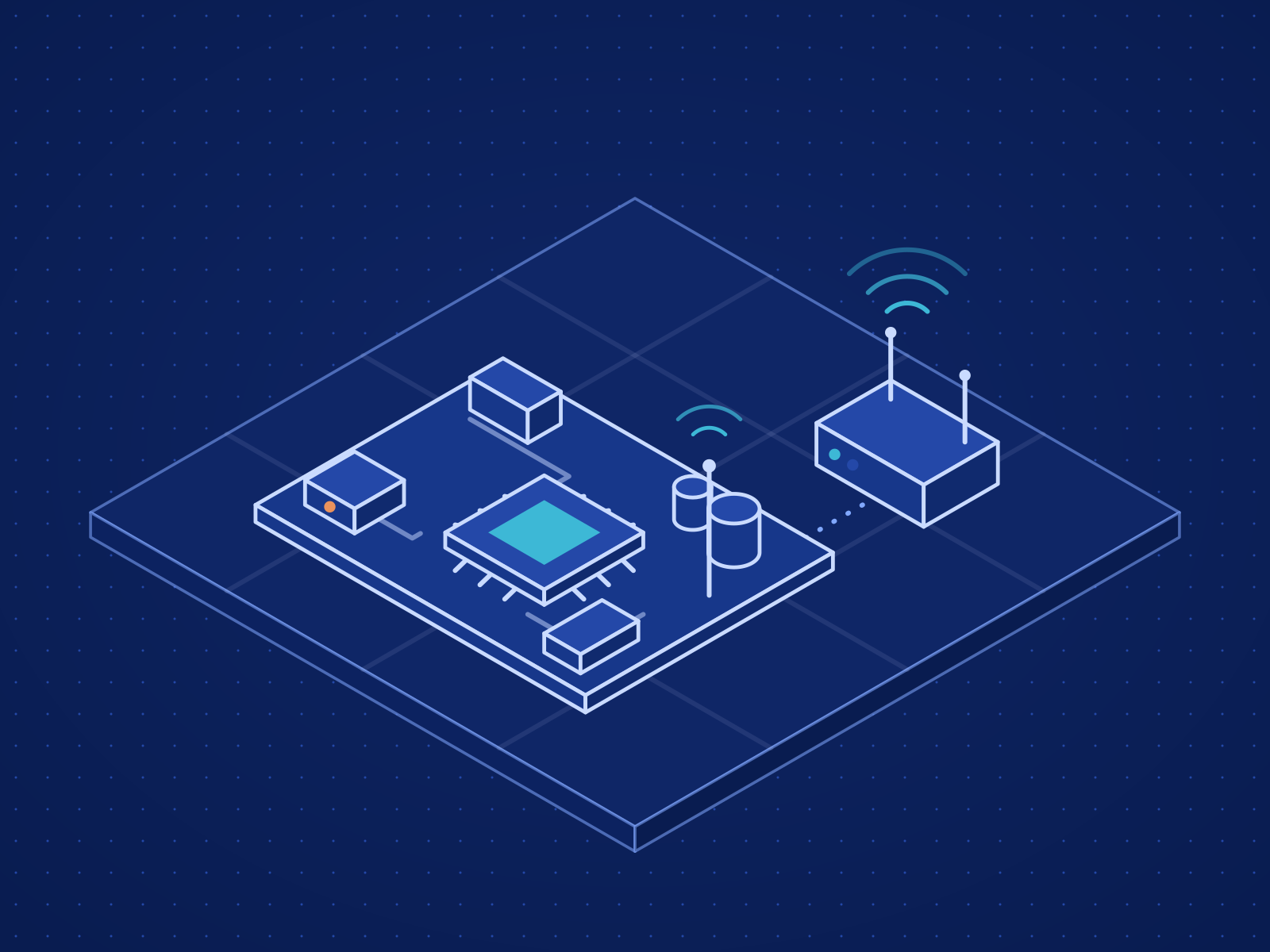
We write the software that runs on the board: bootloaders, drivers, RTOS tasks, embedded Linux and OpenWRT images, communication stacks and over-the-air updates. Because we also design the hardware and the cloud platform, the firmware is written to fit both.
- Network & Connectivity
- Security & Surveillance
- Connected Healthcare
- Smart Cities & Infrastructure
- Fleet & Logistics
- Energy & Smart Utilities
The Layer That Decides Whether a Device Is Trusted
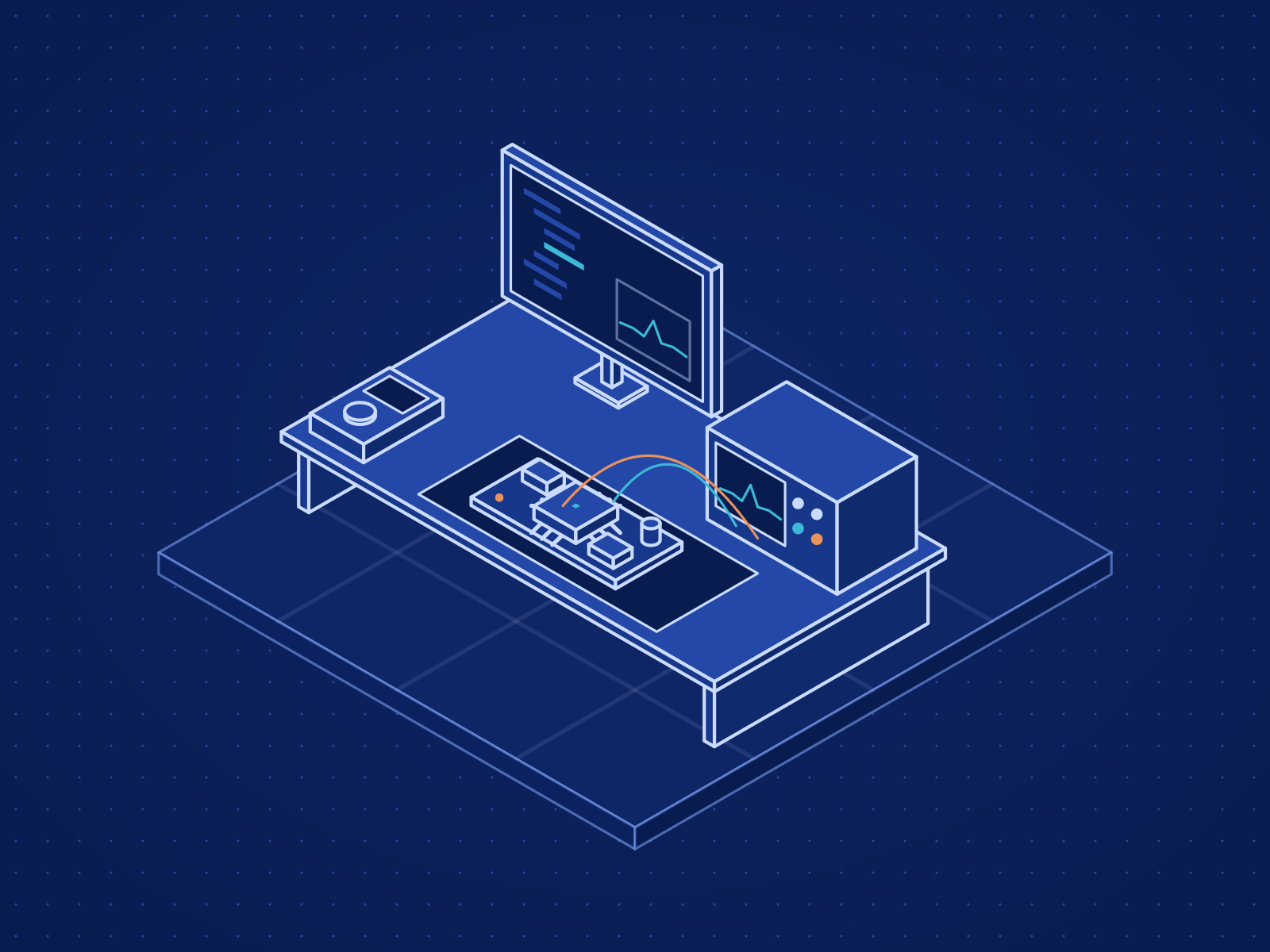
Firmware sits between the electronics and everything that depends on them. It determines whether a sensor reading can be trusted, whether a device survives a failed update and how much the cloud can know about a unit in the field. We write firmware for microcontrollers and Linux-based devices in parallel with the board design and the backend. Our embedded work spans smart metering, street lighting, fleet telematics, network access points and video surveillance. In education and healthcare, we have set up interactive panel deployments, medical equipment data transfer and patient monitoring devices.
Embedded Capabilities
From a bootloader on a microcontroller to a custom Linux image on a gateway, together with the update and management tooling a deployed device needs.
Business Challenges We Address
Demo Firmware Is Not Product Firmware
Demo code often has no update path, no error handling and no power budget. We rework it for devices that must run unattended.
Devices That Fail on a Bad Update
A device that cannot recover from a failed update costs a site visit. We design rollback in before the first release ships.
One Product Line, Many Firmware Forks
Product lines drift into a separate fork for each model. A hardware abstraction layer brings them back to one maintained codebase.
Firmware the Cloud Cannot Rely On
When firmware and backend are written apart, data arrives late, duplicated or unlabeled. We define the device-to-cloud contract first.
Industry Use Cases
Meter and Street-Light Controllers
Firmware that reads meters or switches lamps to schedule, reports telemetry and continues operating through network loss.
Fleet Tracking Devices
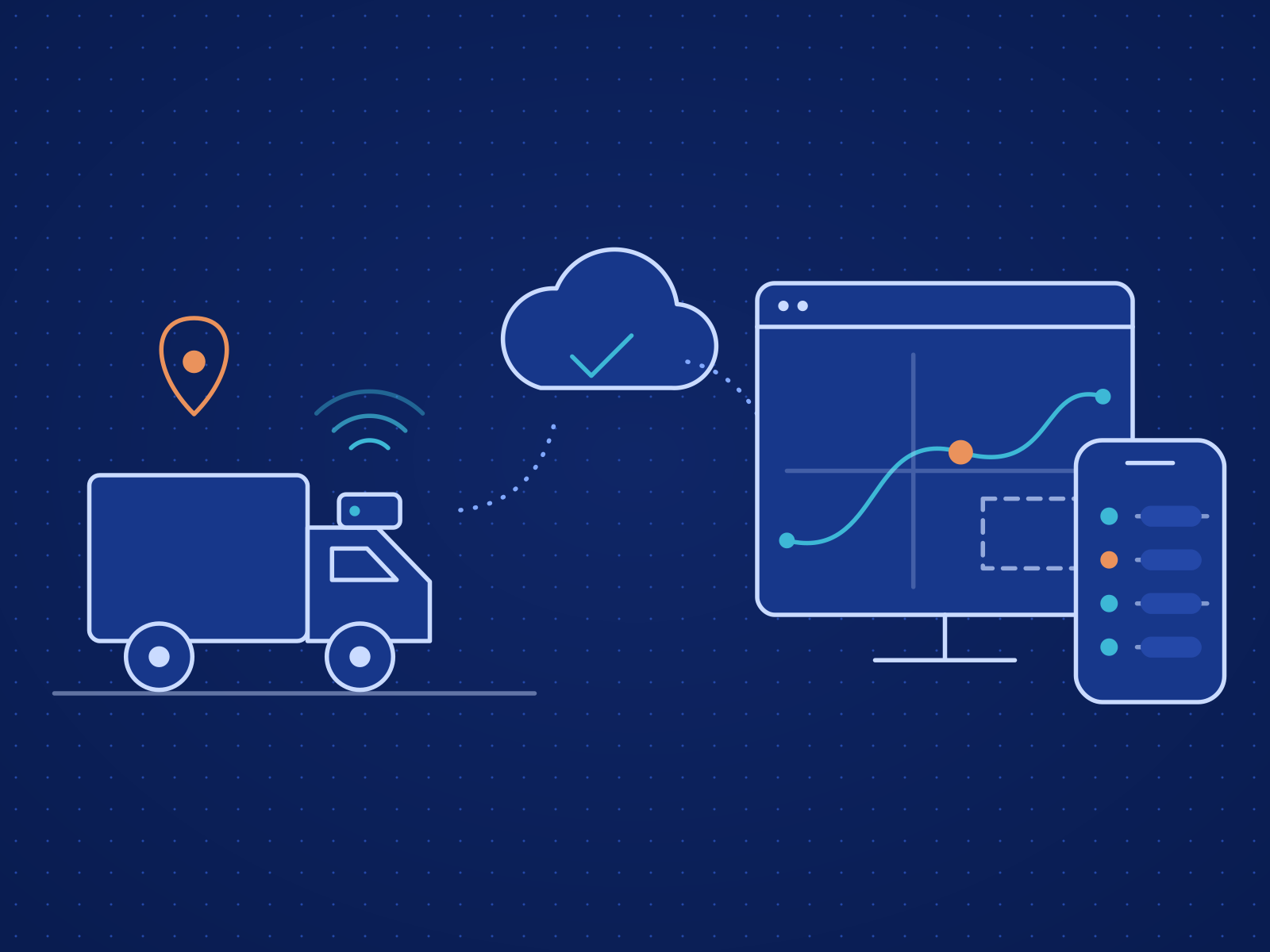
Firmware for vehicle trackers that captures GPS position and trip data and reports it over cellular connections.
Access Points and Gateways
Linux-based firmware for access points, routers and IoT gateways, managed centrally from a controller.
Monitoring Devices
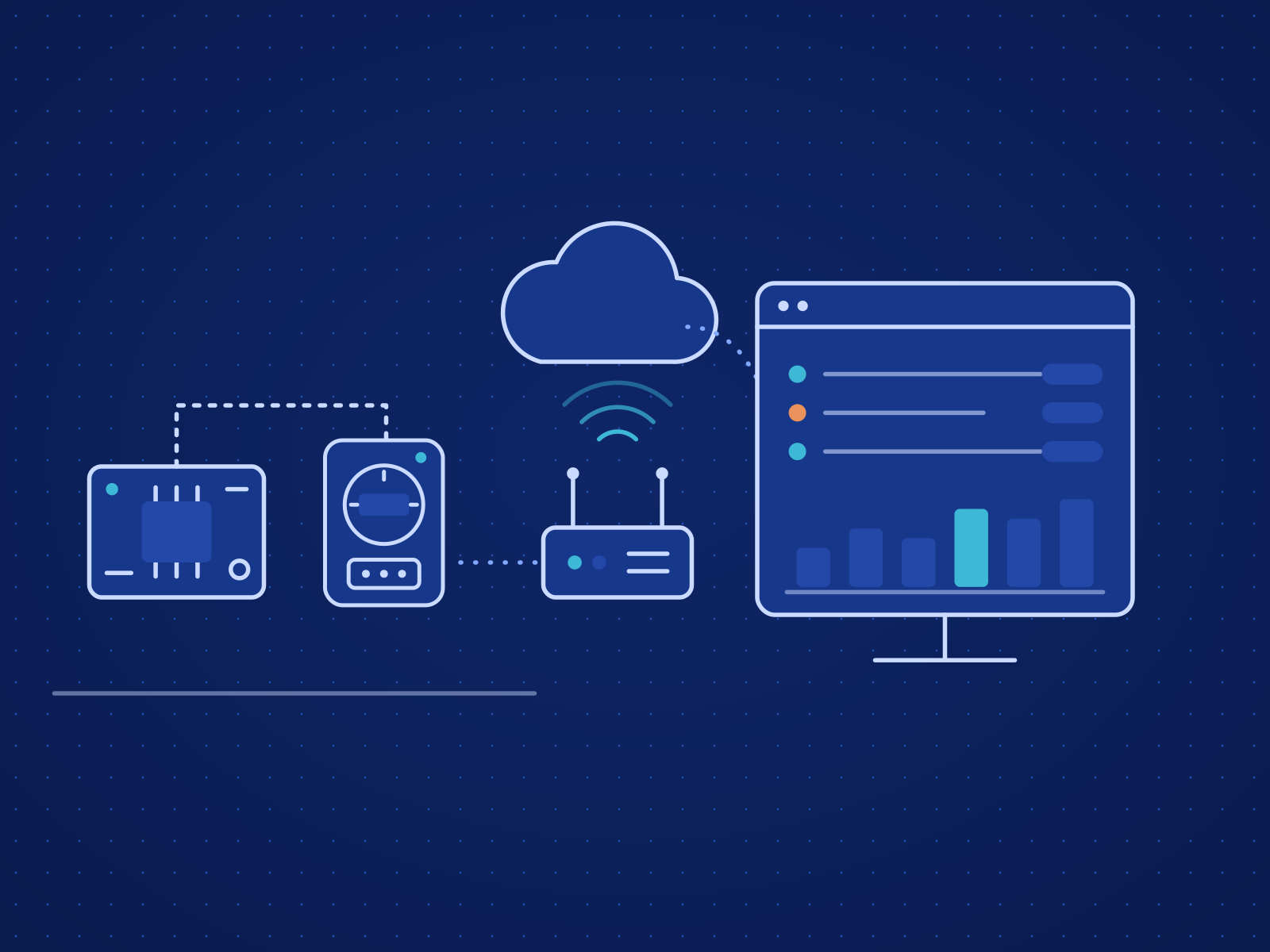
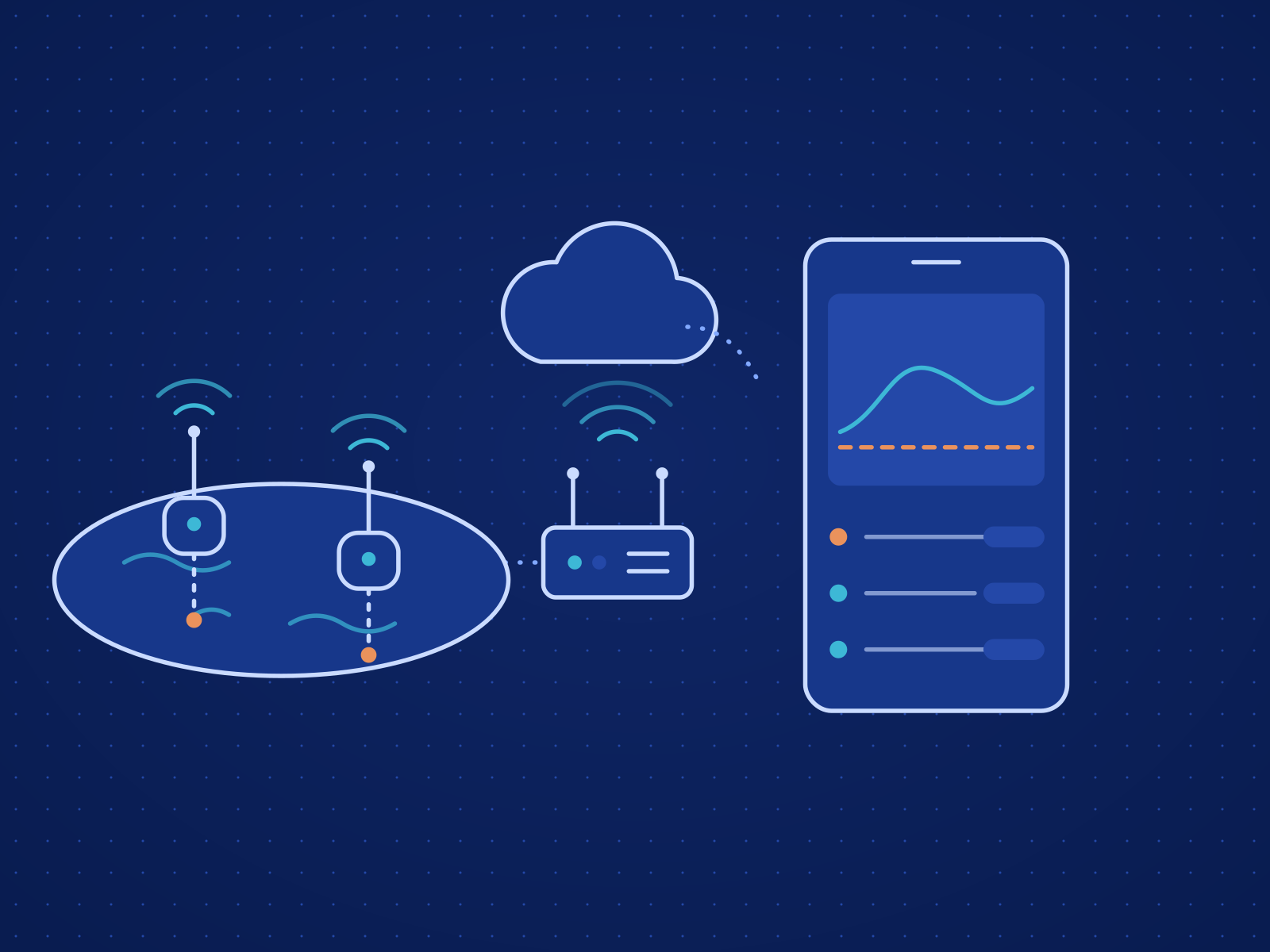
Devices that relay equipment status and sensor readings to a monitoring dashboard.
Technologies & Delivery Models
Firmware Rtos
The tools we rely on for this layer of the system.
Why KoderTroop for Embedded Systems & Firmware
Devices, cloud and applications delivered by one partner, with every decision documented and handed over.
Firmware and Board Designed Together
Pin choices, drivers and power states are settled jointly with the board design, not discovered as conflicts at bring-up.
Built for Unattended Operation
Watchdogs, local buffering and resynchronization keep devices useful when power or the network is unreliable.
Device Security
Secure boot, per-device certificates, mTLS encryption and signed over-the-air updates protect every device in the fleet.
An Update Path in the First Release
Signed over-the-air updates with rollback are part of the first release, so every later fix has a route to the field.
Related Case Studies
Related Insights
Frequently Asked Questions
Your Embedded Systems & Firmware Project
Tell us what you are building and the constraints around it. We will scope the work with you.
Requirements & Board Review
We agree the device's functions, power budget and interfaces, and review the schematic or development board with your hardware team.
Firmware Architecture
We define the software layers, the RTOS or Linux platform, the update scheme and the data contract with the cloud.
Development & On-Board Testing
Drivers and application firmware are written and tested on real boards, including under power loss and network failure.
Release, Provisioning & Handover
We prepare production images and the provisioning process, run the first over-the-air update and hand over source and documentation.