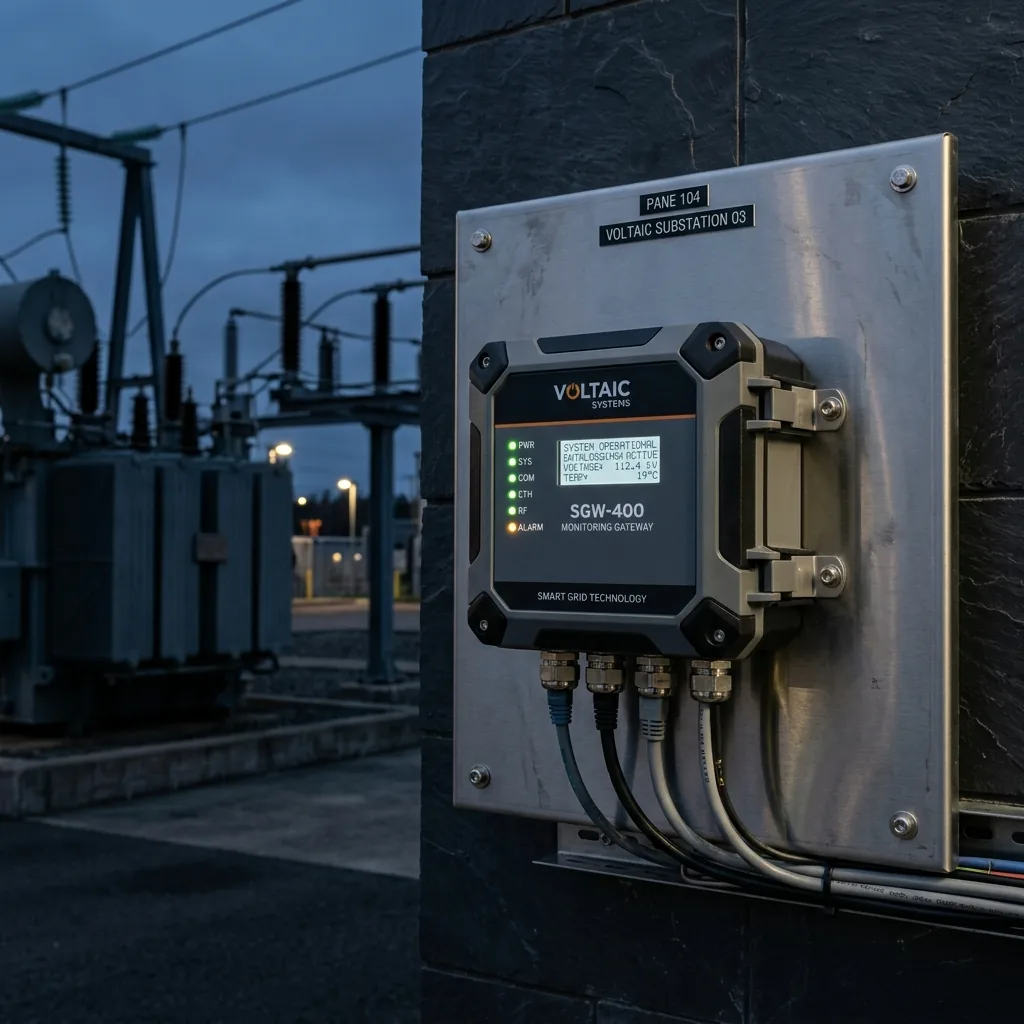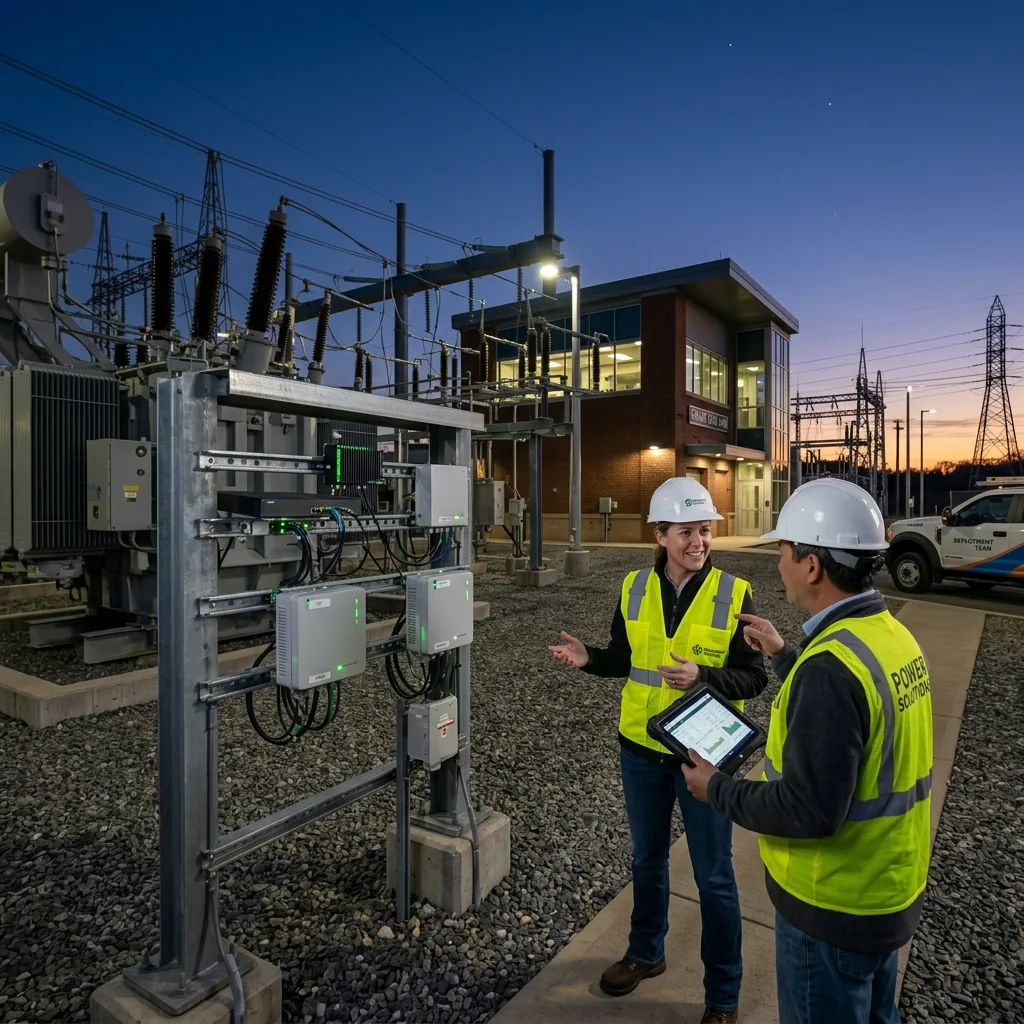

A deep dive into our architecture for managing thousands of low-power edge nodes using k3s and decentralized orchestration.

Running Kubernetes on thousands of low-power field nodes is a different problem from running it in a data center. Bandwidth is scarce, connectivity is intermittent, and a control plane that assumes always-on nodes will spend its life reconciling churn.
Why k3s at the edge
k3s strips the standard distribution down to a single lightweight binary, swaps etcd for an embedded datastore, and runs comfortably in a few hundred megabytes of RAM — which is exactly what a metering gateway can spare.
- Small footprint that fits alongside the workload on constrained hardware.
- Tolerant of flaky links, so nodes keep running through network partitions.
- Standard Kubernetes API, so tooling and manifests carry over unchanged.
Decentralized orchestration
Instead of one central control plane polling every node, each edge cluster aggregates and filters locally, then syncs summaries over a secure tunnel to the hub. The result scales horizontally without a bandwidth cliff.
resources:
  limits:
    cpu: "500m"
    memory: 256Mi
tolerations:
  - key: "node.kubernetes.io/unreachable"
    operator: "Exists"
    effect: "NoExecute"
    tolerationSeconds: 3600
With local autonomy and periodic sync, nodes ride out temporary outages and reconcile when the link returns — no data lost, and no thundering herd on reconnect.
Tagged Under

KoderTroop Systems Squad
Engineering Team
We are a collective of distributed systems engineers and architects at KoderTroop, focused on building resilient cloud infrastructure, multi-agent AI networks, and edge computing solutions.