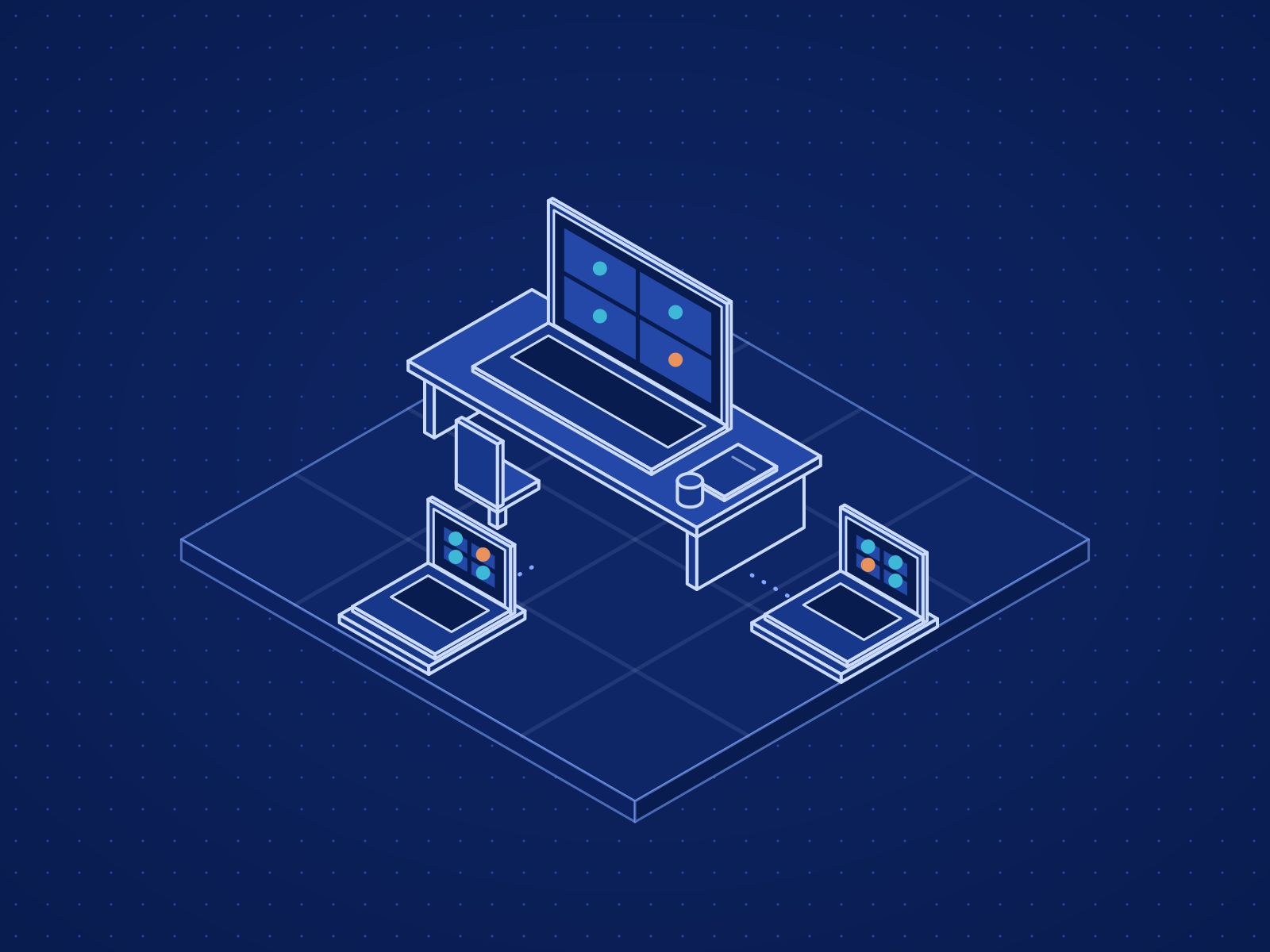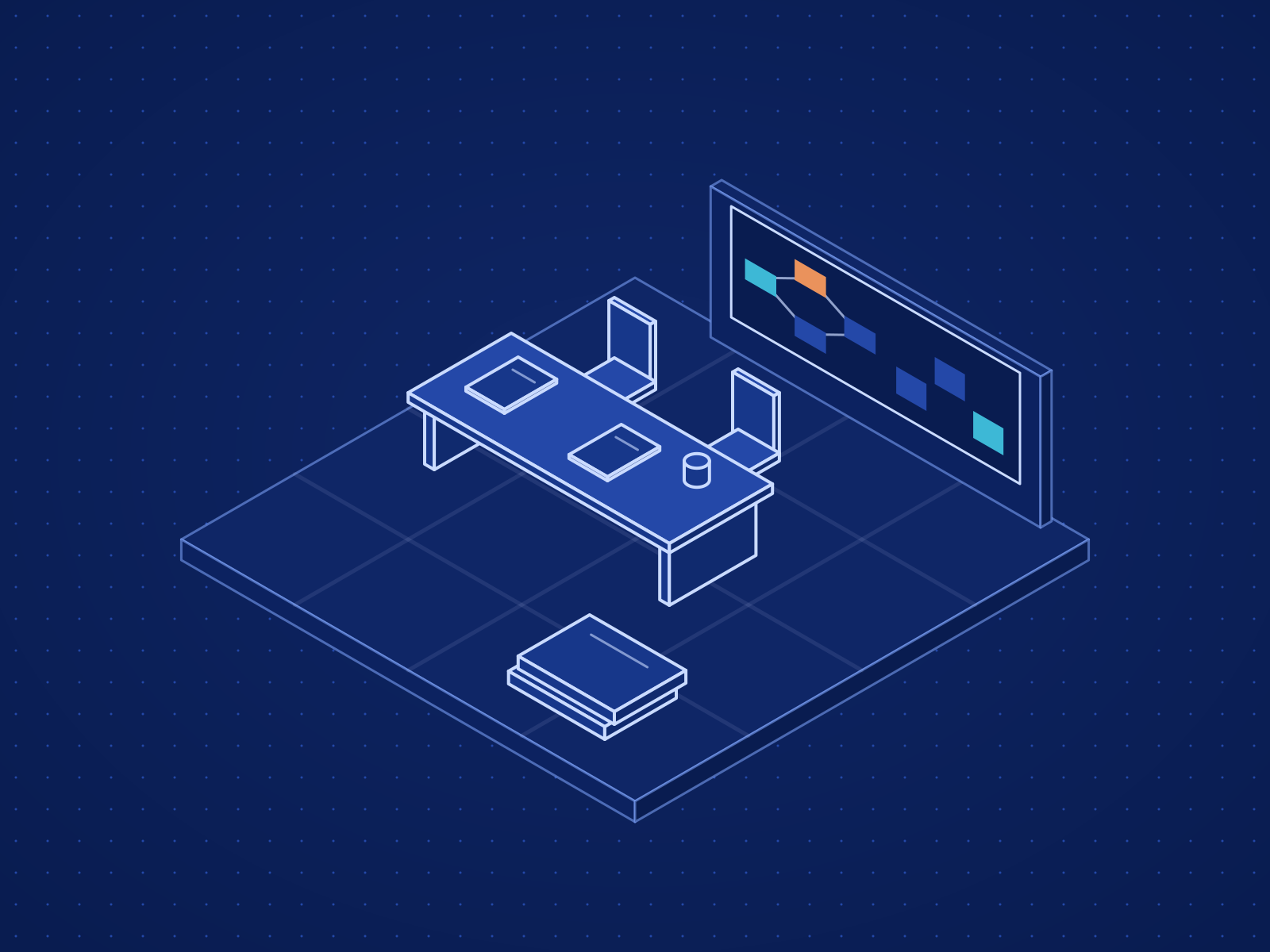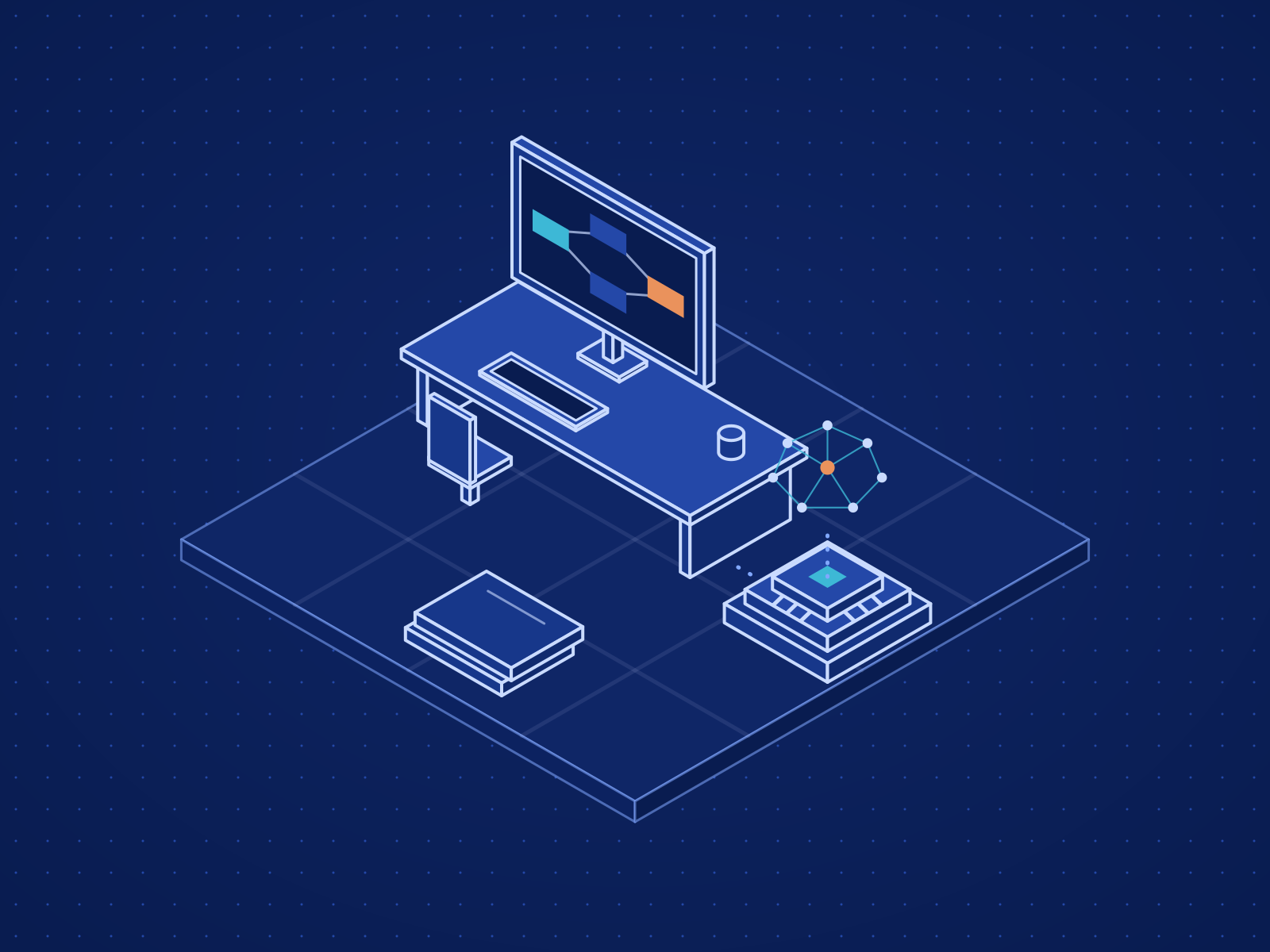


Why asynchronous communication should be the default for technical decisions, and when a live call works better.
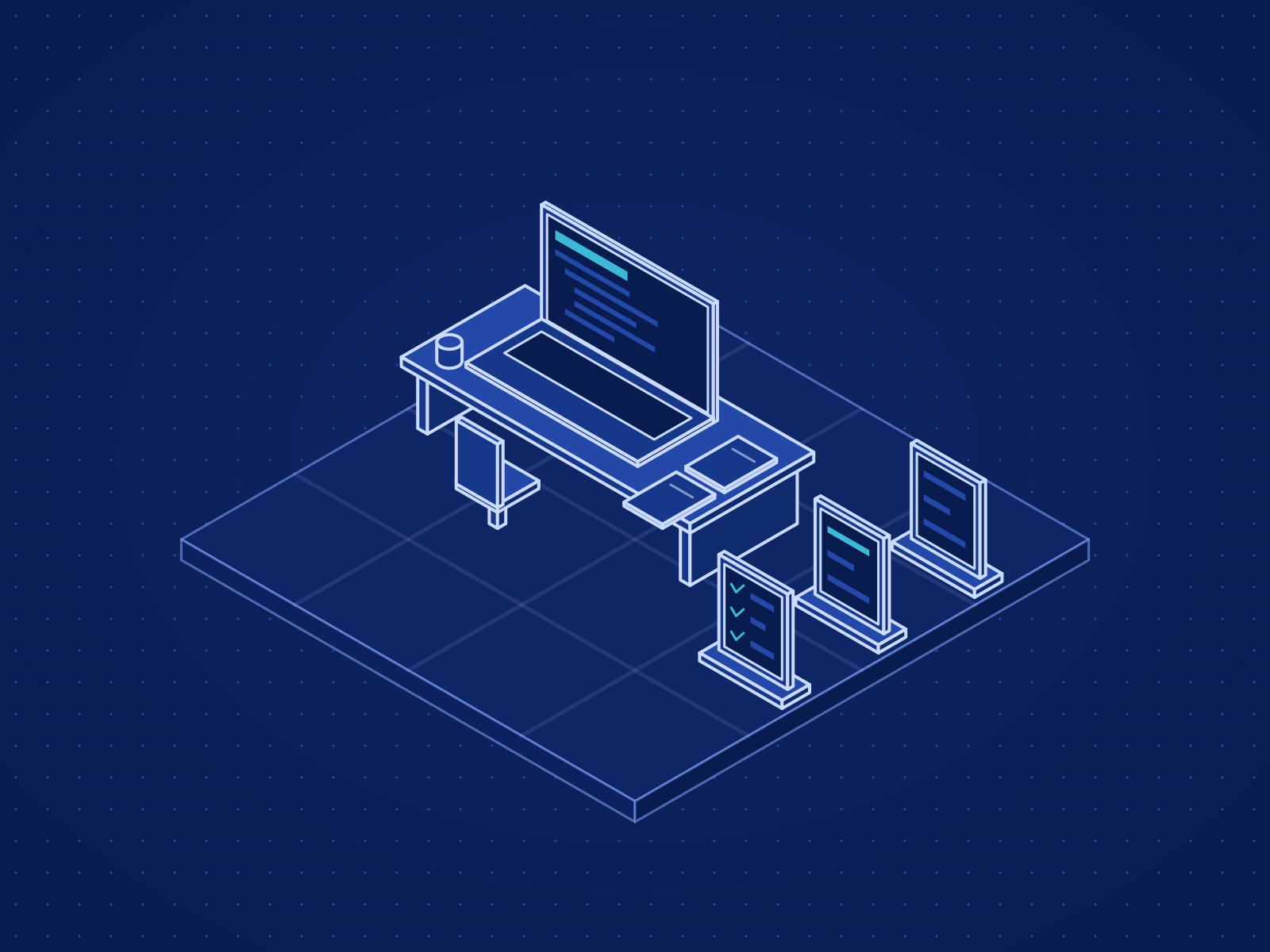
Meetings feel productive because everyone is present, but presence is expensive and quickly forgotten. Asynchronous communication scales better: one well-written document informs everyone who needs it, in every time zone, for as long as the decision stands.
Default to Writing
Decisions start as a short written proposal rather than a live debate. Reviewers get a fixed window to comment during their own working hours, which gives quieter colleagues the same voice as the most confident speaker in a room. The outcome and its rationale are recorded where anyone can find them, including the person who joins next year and wonders why the system works the way it does.
When to Switch to a Live Conversation
Asynchronous is the default, not a doctrine. Move to a call when a topic is emotionally charged, deeply ambiguous or still going in circles after a round of written exchange. Then write down what was decided, so the call adds to the record instead of replacing it.
If a meeting could have been a document, it should have been a document. If a document is going in circles, it should have been a meeting.
The aim is fewer and better meetings, backed by a written record that keeps decisions clear long after the call has ended.
Tagged Under
KoderTroop Systems Squad
Technical Authors
Articles are written by KoderTroop specialists and architects who design and deliver embedded systems, cloud platforms, edge computing and applied AI for our clients.