

How pinned dependencies, build provenance and signed images defend a CI/CD pipeline against software supply chain attacks.
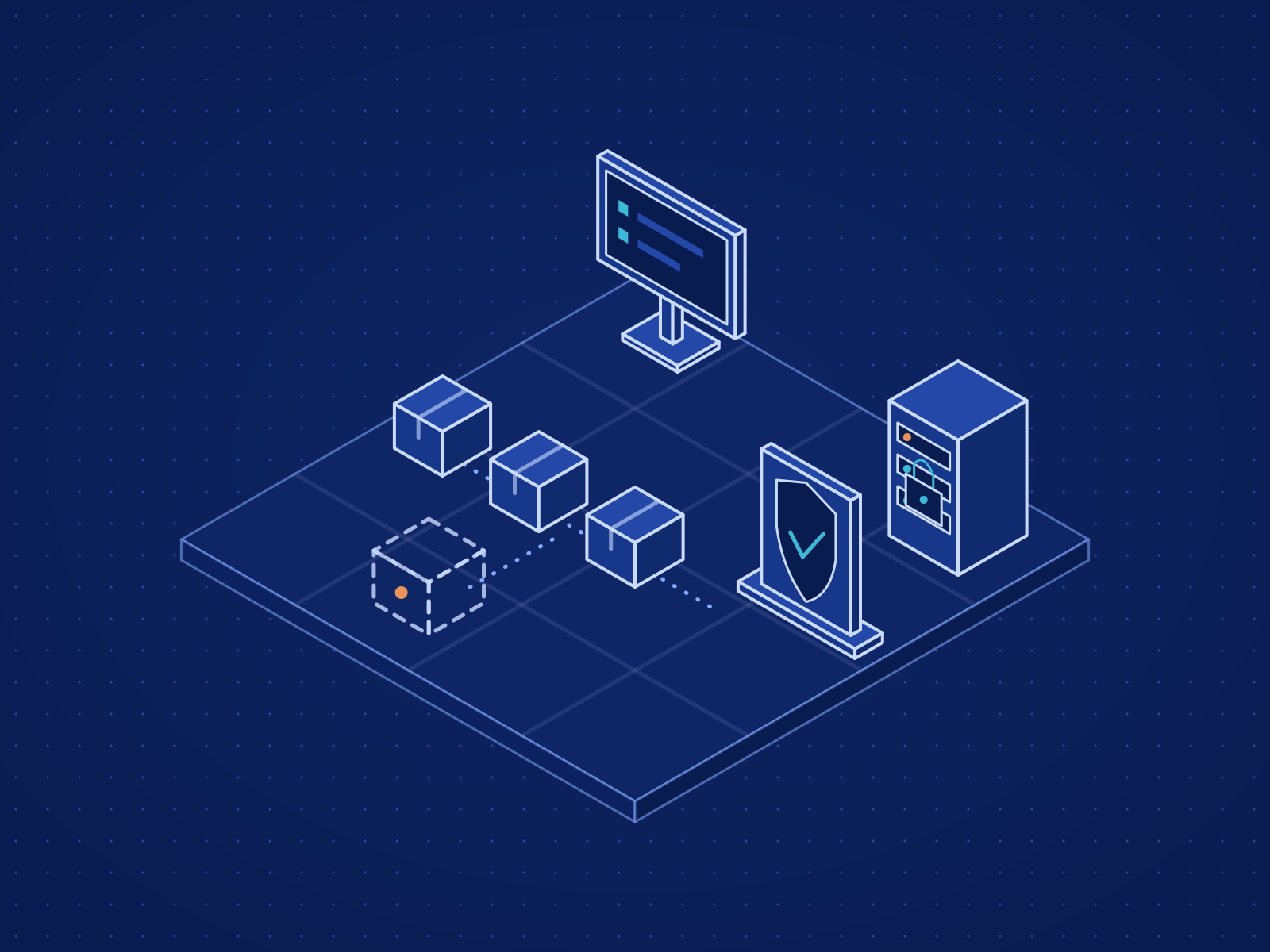
Some of the most damaging breaches of recent years did not come through the front door. They arrived through the build pipeline: a poisoned dependency, a tampered build step, an unsigned image. Mitigating software supply chain attacks starts from one principle. If CI can push to production, CI is production, and it needs the same controls.
The Attack Surface
- Third-party actions referenced by mutable tags, which can be repointed to different code without notice.
- Dependencies fetched at build time without an integrity check.
- Artifacts and images deployed with no record of provenance and no signature.
Defenses That Pay Off
Each of these exposures has a direct answer. Pin actions and dependencies to immutable digests rather than tags. Generate a software bill of materials on every build and verify it. Sign artifacts and images, and have the deployment step check the signature before anything runs.
# pin to an immutable commit SHA, never a floating tag
- uses: actions/checkout@8f4b7f8   # not @v4
# sign the built image with keyless cosign
- run: cosign sign --yes $IMAGE_DIGEST
None of this is exotic. It is hygiene, and most of it costs a few lines of pipeline configuration. Together, pinning, provenance and signing turn a silent compromise into a build that fails closed and reports why.
Tagged Under

KoderTroop Systems Squad
Technical Authors
Articles are written by KoderTroop specialists and architects who design and deliver embedded systems, cloud platforms, edge computing and applied AI for our clients.